

The cheapest air conditioning you own is the fan you already run, if it has the right motor. Swap an old AC-motor fan for a modern DC model and you get the same breeze for a third to half the wattage, with more speeds and less noise thrown in.
I re-verified this lineup in July 2026: two of my previous picks went out of stock, so everything below is buyable today, DC-motor only, no exceptions.
Sofucor 52″ DC — Best Value Efficiency
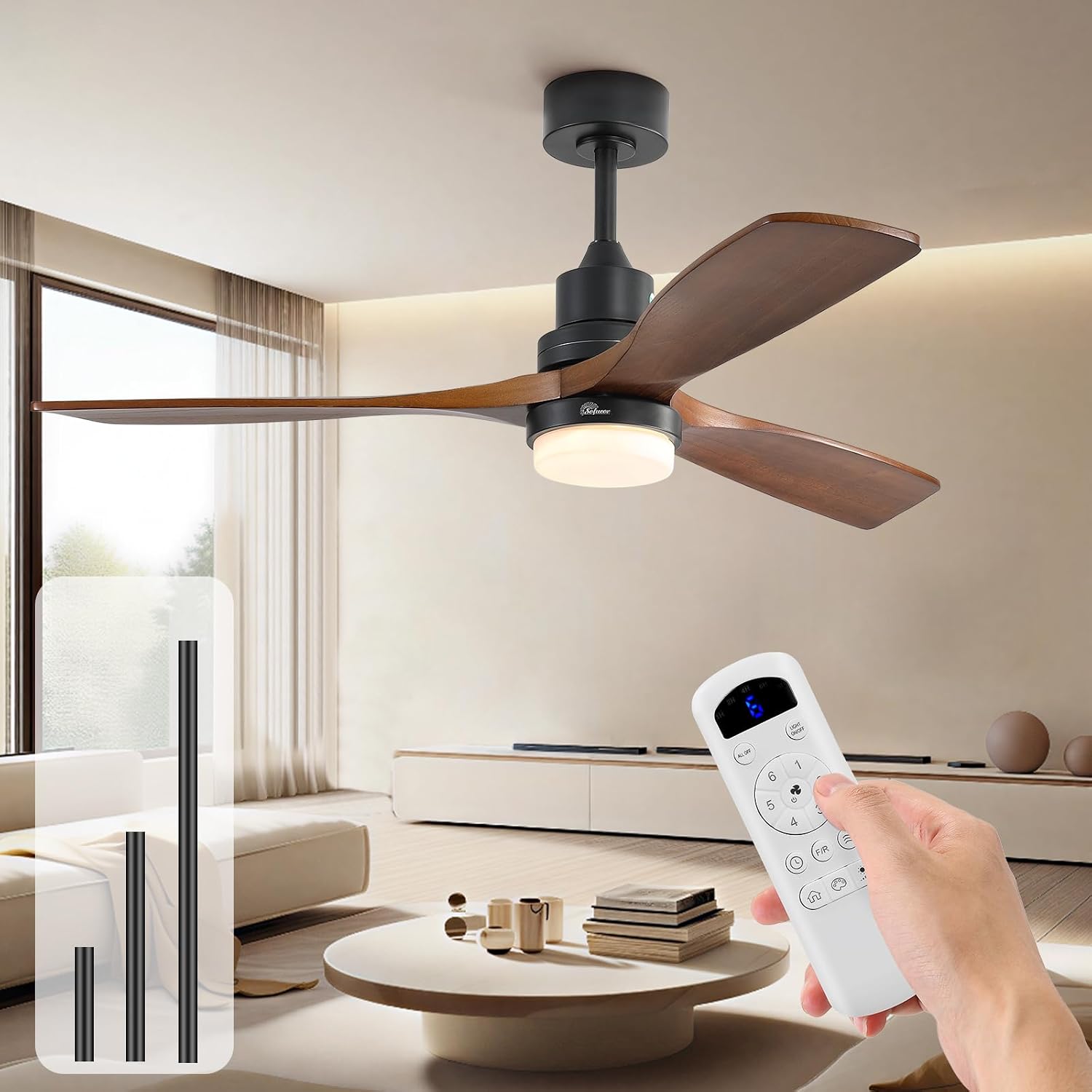
- 6-speed DC motor
- Dimmable LED, 3 color temps
- Remote included
- Reversible for winter
The cheapest way on this list into a real DC motor. Six speeds instead of the usual three means you can find the exact point where the room feels right without the motor working harder than it needs to, and the low speeds draw next to nothing. The LED dims and shifts color temperature, so it replaces a light fixture too.
The trade: it’s a smaller brand and the remote feels basic. As pure efficiency per dollar, nothing here touches it.
CEME 52″ — Most Speeds, Smart Control

- 10-speed brushless DC motor
- App + Alexa & Google
- Dimmable LED, 3 color temps
- Indoor/outdoor, 3 sizes
Ten speeds is the efficiency cheat code: most people run a fan faster than needed because speed 2 of 3 is too slow and 3 is a wind tunnel. With ten steps you settle on the gentlest speed that works, and the brushless motor sips at the low end. App scheduling means it’s not spinning in an empty room, which saves more than any motor spec.
Modern Forms Wynd — Efficient AND Automated
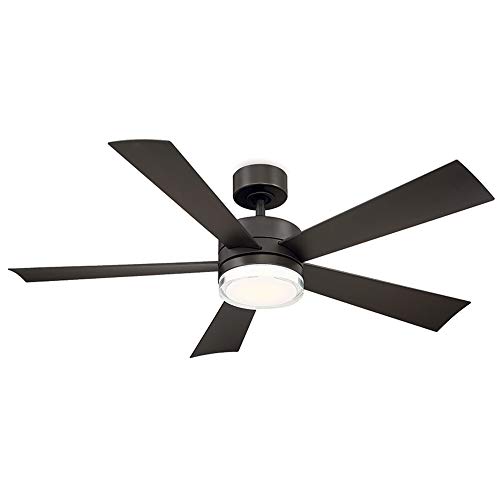
- Smooth, quiet DC motor
- Schedules + away mode in the app
- Alexa, Google & ecobee
- Damp-rated: patios OK
The Wynd earns its spot here through automation: an adaptive mode that adjusts speed to your routine and schedules that shut it down when nobody’s around. The most efficient fan is the one that turns itself off. Premium price, but this is the pick our readers buy most, and having installed a few I understand why.
Big Ass Fans Haiku L — The Efficiency Flagship
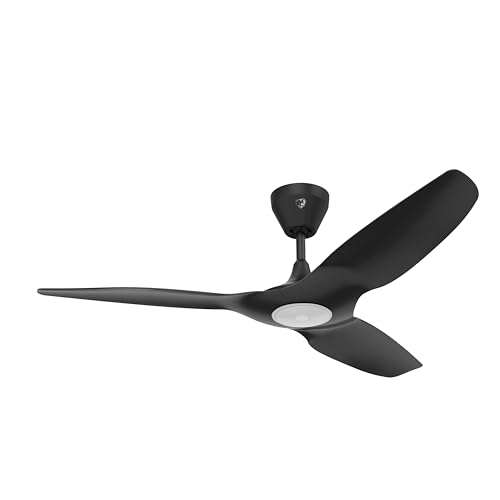
- Class-leading DC motor
- 7 speeds + occupancy sensing
- Turns itself off when you leave
- Matter/HomeKit on newer units
The Haiku has topped efficiency conversations for a decade for a reason: the motor is extraordinary and the SenseME occupancy sensing means it literally shuts off when the room empties. It’s several times the price of the Sofucor and will never pay that back in electricity alone. You buy it because it’s also the quietest, best-built fan in the business; efficiency is the bonus.
What Makes a Ceiling Fan Efficient
The motor is 90% of it. AC motors typically draw 50–75 watts on high; DC motors do the same job on a third to half the power, run cooler, and give you more speeds. Every fan above is DC.
Then it’s CFM per watt. Listings show this on the energy label. It’s the miles-per-gallon of fans. Compare at the same size; bigger blades naturally score better.
Size right, run slow. A 52-inch fan loafing on speed 3 of 10 beats a 42-inch fan maxed out, on both watts and noise. Our size chart gets you the right span in 30 seconds.
And turn it off. Fans cool people, not rooms. The wind-chill effect stops mattering the moment you leave. That’s why the smart picks here earn their keep: schedules and occupancy sensing fix the human factor.
As an Amazon Associate, TheFansPro earns from qualifying purchases.
Efficiency and smart-control compatibility are separate checks. A DC motor, integrated receiver or existing remote can change which controls are safe to add. Use the smart ceiling fan compatibility checker before choosing a switch, bridge or platform.
Frequently Asked Questions
How much electricity does a ceiling fan use?
A typical AC-motor fan draws roughly 50–75 watts on high; DC fans a third to a half of that. Run 8 hours a day, a DC fan lands around $5–10 a year at average US rates.
Do DC-motor ceiling fans really save money?
Yes, but modestly: $10–20 a year versus an old AC fan that runs daily. The bigger everyday win is more speeds and less noise. The premium pays back over a few summers.
What should I look for in an efficient ceiling fan?
DC motor first, then the CFM-per-watt number on the energy label. And size the fan to the room so it can run slow.
Is an Energy Star ceiling fan worth it?
All else equal, take it. But motor type matters more than the sticker; nearly everything efficient today is DC.
Does a bigger ceiling fan use more electricity?
At the same speed, slightly. In practice a properly sized big fan runs slower and usually uses less power than a small fan flat out.
Related Guides
Pair an efficient fan with the right direction settings in our summer/winter direction guide, see the full smart ceiling fans roundup, or go quiet-first with the quietest fans for bedrooms.
